
Managed Multi-Cloud Linux & Geo-Redundant BIND DNS: How We Engineer Zero-Lock-In Uptime
Inside our AlmaLinux 9/10 Virtualmin compute fleet, NS20/NS30/NS40 authoritative DNS mesh, and 60-second Uptime Kuma push heartbeats.
Why We Wrote This Playbook—And What It Means for Your Next Platform
Having operated physical IBM and Dell server racks with Cisco, Juniper, and VMware across Boston and Connecticut before founding GreenTree Hosting in 2007, we design cloud infrastructure around one core rule: never let a single vendor, availability zone, or proprietary control panel hold a client hostage.
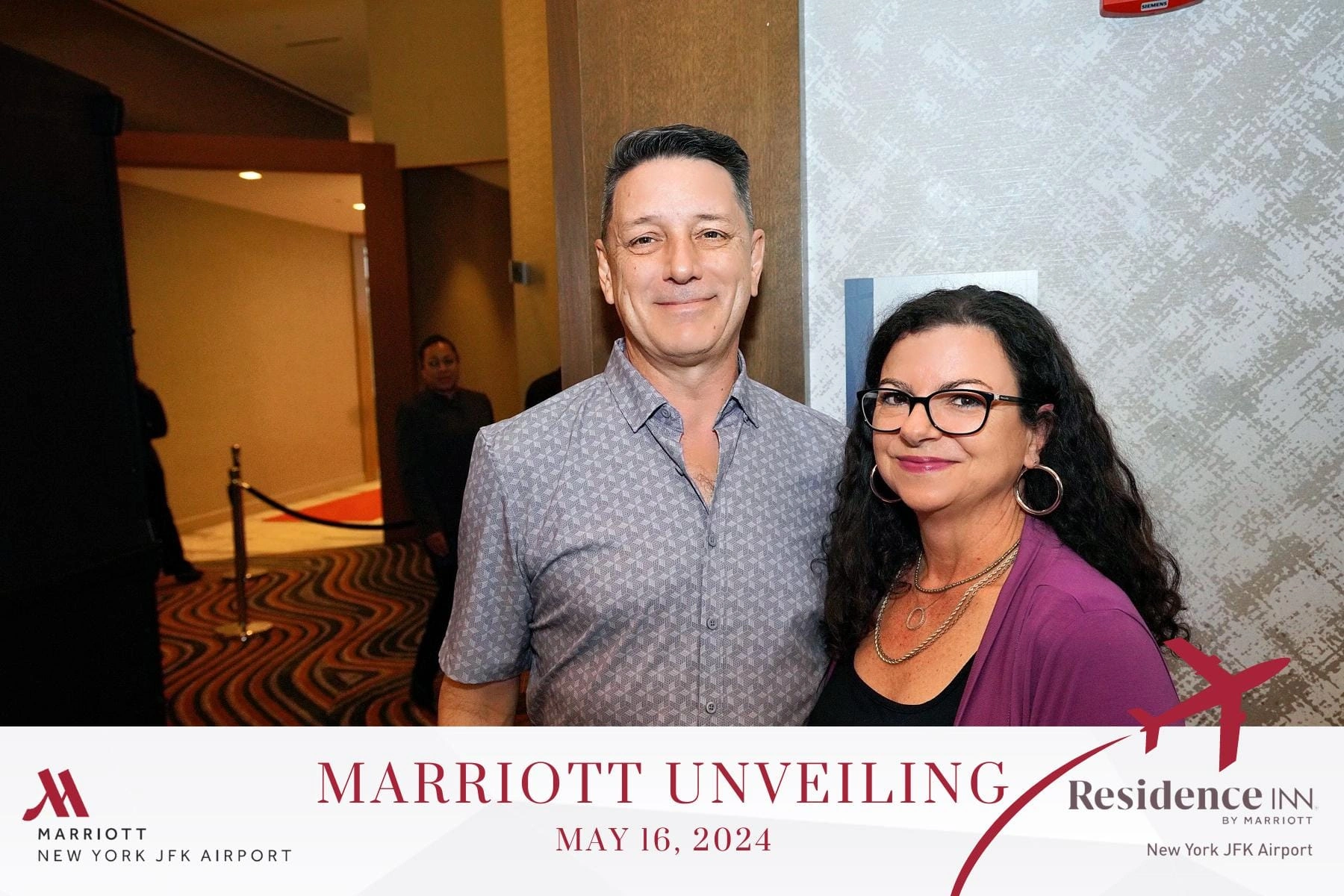
In 1998, Maureen & Gene Salvatore pitched the Rhode Island State-Wide MLS, secured RILiving.com, and architected the state’s first database-driven real estate platform. Following senior leadership roles at Adgrafix ($22M+ sale) and physical data center operations in Boston and Connecticut (sold to TierPoint in 2007), they founded GreenTree Hosting, LLC to build software-grade web applications and managed Linux cloud infrastructure.
Our compute fleet runs hardened AlmaLinux 9/10 and Ubuntu LTS instances across AWS EC2, DigitalOcean, and Vultr—managed with open, portable configurations.
Authoritative DNS is served across three geographically separated BIND nodes: NS20 (Ashburn, VA), NS30 (Chicago, IL), and NS40 (Phoenix, AZ).
Every production node reports 60-second outbound push heartbeats to our centralized monitoring plane alongside LogBot.app and DNSBot.app.
1. From Physical New England Racks to Multi-Cloud Linux Sovereignty
When you have racked physical IBM and Dell servers, configured Cisco and Juniper BGP routers by hand, and managed VMware clusters in Boston and Connecticut data centers, you look at "cloud" differently than developers who have only ever clicked a SaaS dashboard.
We engineer our cloud fleet across AWS EC2, DigitalOcean, and Vultr on top of CIS-hardened AlmaLinux 9/10 and Virtualmin Professional. Every client workload is stored in standard Linux filesystems, open SQL dumps, and clean Git repositories—meaning any workload can be migrated across cloud providers in minutes.
2. Geo-Redundant Authoritative BIND Mesh (NS20, NS30, NS40)
DNS is the root dependency of every digital operation: if your authoritative nameservers fail, both your web application and your corporate email vanish simultaneously.
GreenTree operates a dedicated three-region BIND authoritative mesh spanning the US East Coast (NS20 in Ashburn, Virginia), the Midwest backbone (NS30 in Chicago, Illinois), and the Southwest (NS40 in Phoenix, Arizona). Zone updates propagate instantaneously from our hidden/primary master with continuous SOA serial verification via DNSBot.app.
| Nameserver Node | Data Center Corridor | Network Role | Health Verification |
|---|---|---|---|
| NS20.GREENTREEHOSTING.NET | Ashburn, Virginia (US-East Backbone) | Authoritative BIND Primary/Peer | 60s Push Heartbeat + DNSBot SOA Audit |
| NS30.GREENTREEHOSTING.NET | Chicago, Illinois (US-Central Backbone) | Authoritative BIND Geo-Replica | 60s Push Heartbeat + DNSBot SOA Audit |
| NS40.GREENTREEHOSTING.NET | Phoenix, Arizona (US-West/South) | Authoritative BIND Geo-Replica | 60s Push Heartbeat + DNSBot SOA Audit |
Frequently Asked Architectural Questions
Can we keep our domain registrar where it is and still use GreenTree’s NS20/NS30/NS40 DNS or hosting?
Absolutely. You can either delegate your existing registrar nameservers to NS20/NS30/NS40.greentreehosting.net or transfer domain stewardship to GreenTree with HijackRadar.com continuous lock monitoring.
Why Brochure Websites Are Dead: From Our 1998 RILiving.com MLS Database to 2026 Web Applications
Inside Our Decoupled Enterprise Email Architecture: Proxmox Mail Gateway + SmarterMail
The Zero-404 Domain Cutover Playbook: How We Migrate 20-Year-Old Corporate Domains Without Losing Rank
Ready to Replace Your Brochure Site with a Working Web Application?
Speak directly with Gene & Maureen Salvatore to scope your custom React/TypeScript web application, interactive calculators, or Ongoing Authority Retainer.